Preserved Flower Jewelry Care Tips: Keep Your Pieces Beautiful
Your grandmother's locket survived two world wars, three relocations, and that unfortunate incident with the garbage disposal. Your preserved flower jewelry, however, faces enemies far more insidious than household appliances: humidity, ultraviolet radiation, and the existential dread of improper storage. Unlike those mass-produced baubles languishing in department store displays, pieces embedding botanical remnants demand a preservation paradox—caring for art that already celebrates preservation itself.
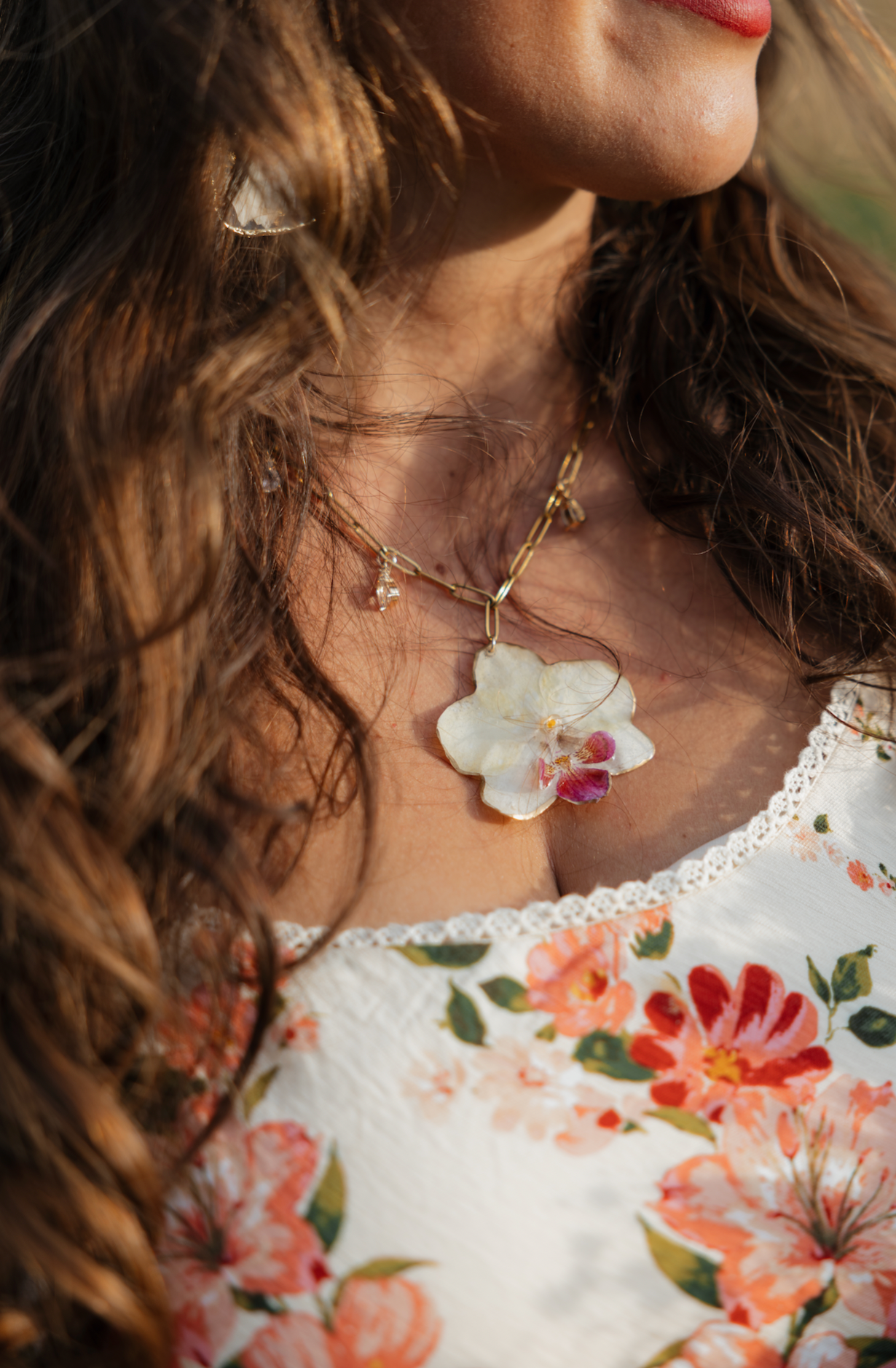
Botanical jewelry transforms ephemeral blooms into wearable permanence, capturing wedding bouquets, memorial arrangements, or simply Tuesday's farmer's market impulse purchase. Yet this alchemical marriage of nature and metalwork requires intentional stewardship. Neglect these preserved flower jewelry care tips, and your treasured adornment may fade faster than your New Year's resolutions.
Understanding the Anatomy of Preserved Botanical Adornments
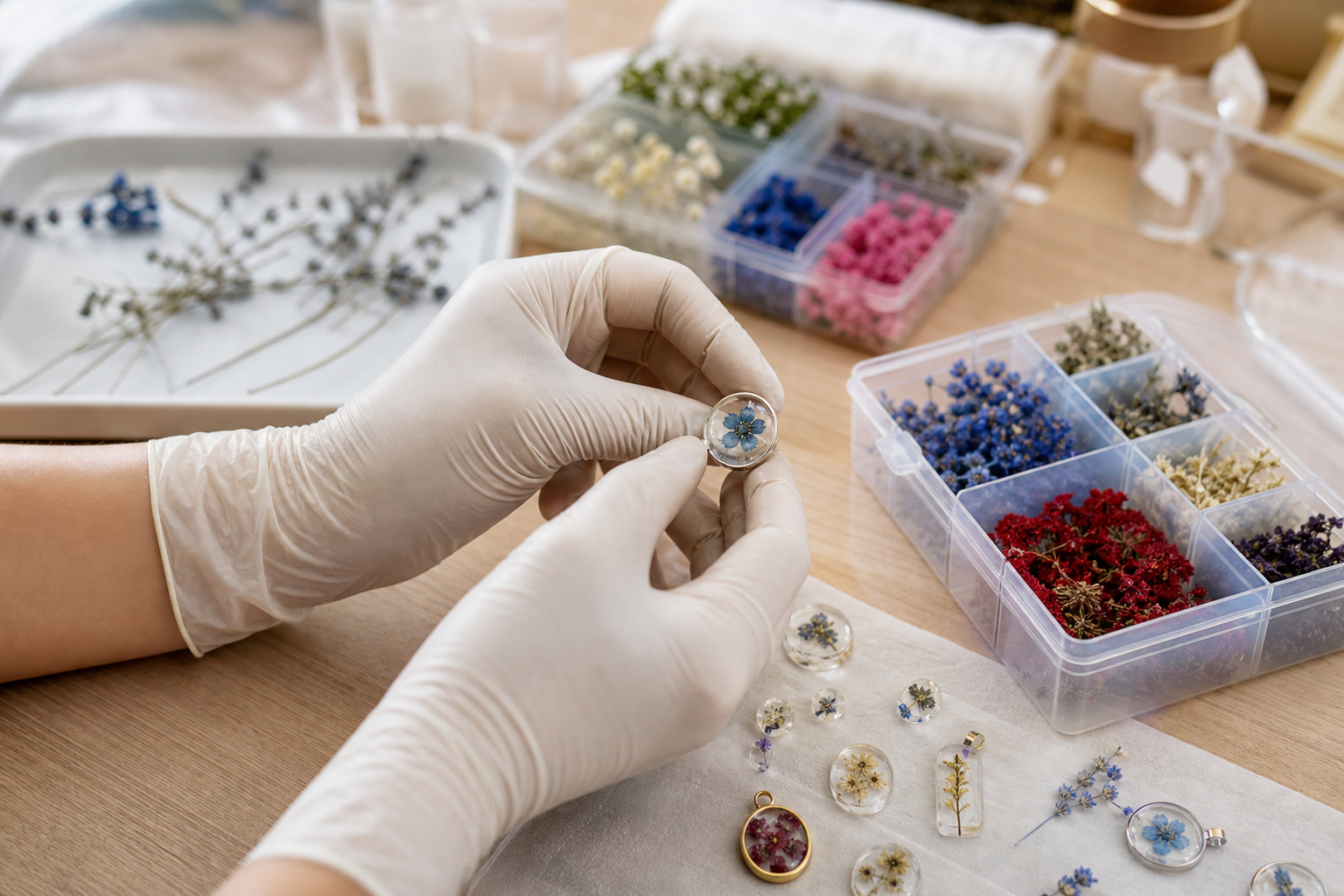
Before diving into maintenance protocols, comprehending the construction methodology proves essential. Authentic preserved flower jewelry encases genuine botanical matter—petals, leaves, stems, moss—within resin, glass, or other transparent mediums. The preservation process itself varies dramatically, from silica gel desiccation to glycerin replacement techniques, each yielding different longevity characteristics.
Preciosa Jewelry Co. employs meticulous preservation methods before embedding florals into hypoallergenic metals, creating pieces where natural beauty intersects with metallurgical integrity. This dual-material composition means your necklace isn't merely metal or merely plant—it's a botanical-metallic symbiosis requiring specialized attention.
The resin or sealant acts as both showcase and shield, suspending organic matter in temporal stasis while defending against moisture infiltration and oxygen exposure. Think of it as amber for the impatient, minus the million-year waiting period. However, even the finest encapsulation cannot render your jewelry invincible against environmental adversaries.
The Unholy Trinity: Enemies of Preserved Florals
Sunlight: The Beautiful Betrayer
Ultraviolet rays bleach pigments with the indiscriminate enthusiasm of a vintage Instagram filter. Those vibrant crimson rose petals? Direct sunlight transforms them into apologetic shades of beige within months. Photodegradation doesn't discriminate—whether your piece contains delphinium, lavender, or forget-me-nots (ironic, considering you'll forget what color they originally were), prolonged UV exposure guarantees chromatic disappointment.
Store your botanical jewelry in darkness when not adorning yourself. Jewelry boxes aren't mere organizational theater; they're lightless sanctuaries protecting against solar assault. Display cases? Charming for vintage brooches, catastrophic for preserved petals.
Moisture: The Silent Saboteur
Water molecules possess an uncanny ability to infiltrate microscopically imperfect seals, introducing mold spores and triggering decomposition. Your preserved flower ring survived the preservation process specifically to avoid this fate—don't resurrect botanical decay through careless exposure.
Remove all preserved flower jewelry before showering, swimming, dishwashing, or engaging in activities involving aquatic proximity. Yes, this includes that "quick hand rinse" you promised would be fine. It won't be. Humidity from bathrooms, kitchens, or that poorly ventilated basement craft room also poses gradual threats.
Chemical Assailants: The Invisible Aggressors
Perfumes, hairsprays, lotions, and cleaning products contain solvents that compromise resin integrity and accelerate botanical degradation. These substances wage chemical warfare on your jewelry's protective matrix, creating cloudiness, discoloration, or structural weakening.
Establish this mantra: jewelry last, jewelry first. Apply cosmetics, fragrances, and styling products before donning your pieces. Remove them first when returning home, before engaging in cleaning activities or culinary adventures.
Daily Maintenance Rituals That Actually Matter
Preserved flower jewelry care tips aren't complicated—they simply require consistency. After each wearing, gently wipe metal components with a soft, lint-free cloth. Microfiber works excellently; your old concert t-shirt does not, regardless of sentimental value.
For resin-encased sections, the same gentle buffing removes fingerprints, skin oils, and environmental residue. Avoid abrasive materials that could scratch the sealant surface. Those tiny scratches accumulate, eventually creating a hazy patina that obscures the very botanical beauty you're trying to showcase.
Inspect clasps, jump rings, and settings periodically. Preserved florals deserve secure homes—discovering your pendant has detached mid-commute ranks among life's more preventable tragedies. Tighten loose components or seek professional repair before catastrophic failure occurs.
Storage Strategies for Botanical Longevity
Individual compartments prevent tangling and surface abrasion. Those multi-tiered jewelry boxes with velvet dividers weren't designed by obsessive-compulsive interior designers—they serve genuine protective functions. Each piece deserves solitary confinement within its designated cell.
Avoid storing preserved flower jewelry in bathrooms, regardless of how aesthetically pleasing that vintage vanity tray appears. Consistent temperature fluctuations and humidity spikes create hostile microclimates. Bedroom dressers, closets, or dedicated jewelry cabinets in climate-controlled spaces prove superior.
For long-term storage, consider silica gel packets—those mysterious pouches you've been discarding from shoe boxes possess moisture-absorbing properties. Place them alongside your jewelry to maintain optimal humidity levels. Replace them quarterly; saturated silica gel transitions from protective ally to useless decorative element.
| Storage Location | Suitability | Reasoning |
|---|---|---|
| Bedroom dresser drawer | Excellent | Dark, stable temperature, low humidity |
| Bathroom counter | Terrible | High humidity, temperature fluctuation, light exposure |
| Closet jewelry organizer | Good | Protected from light, moderate climate control |
| Kitchen windowsill | Catastrophic | Direct sunlight, cooking moisture, temperature extremes |
Cleaning Protocols: What Works and What Destroys
Conventional jewelry cleaning solutions designed for precious metals contain chemicals incompatible with botanical preservation. Those ultrasonic cleaners promising miraculous restoration? They'll vibrate your flower petals into organic confetti.
For metal components, use jewelry-specific polishing cloths appropriate to your piece's composition. Preciosa Jewelry Co. utilizes hypoallergenic, ethically sourced metals—sterling silver, gold-filled, or surgical-grade stainless steel—each requiring tailored approaches. Sterling develops tarnish requiring gentle anti-tarnish cloths; gold-filled maintains luster with simple buffing.
Never submerge preserved flower jewelry in liquids, including water. If dirt accumulates on resin surfaces, use a barely-damp cloth—emphasis on "barely." The cloth should be so minimally moistened that you question whether it's actually damp at all. Follow immediately with a completely dry cloth.
The Annual Professional Assessment
Artisan jewelers possess diagnostic capabilities exceeding amateur observation. Annual inspections identify structural vulnerabilities, resin degradation, or setting weaknesses before they escalate. Many small-batch studios, including woman-owned operations like Preciosa Jewelry Co., offer complimentary assessments for their creations.
Professional cleaning services can address issues beyond home remedies, though ensure they possess specific experience with botanical jewelry. Not all jewelers understand preserved floral compositions—your piece isn't merely an unusual stone requiring generic treatment.
Recognizing When Intervention Becomes Necessary
Despite impeccable care, botanical materials evolve. Slight color shifts represent natural aging, not catastrophic failure. However, certain symptoms demand immediate attention:
- Cloudiness within the resin indicating moisture infiltration
- Visible mold or discoloration suggesting biological activity
- Separation between resin and metal settings creating gaps
- Structural cracks compromising the encapsulation integrity
- Dramatic color loss exceeding normal fading parameters
These manifestations suggest professional restoration needs. Attempting DIY repairs typically exacerbates damage—preserved flower jewelry occupies a specialized niche requiring specialized expertise.
Wearing Wisdom: Occasions and Limitations
Preserved flower jewelry excels at weddings, faith gatherings, memorial services, and meaningful celebrations where sentimental value supersedes athletic functionality. It performs poorly at CrossFit, pottery classes, automotive repair sessions, or activities involving impact, chemicals, or moisture.
These pieces represent wearable memory—treat them with the reverence you'd afford family heirlooms, because they're destined to become exactly that.
Rotation extends longevity. Wearing the same piece daily accelerates wear patterns. If you've invested in multiple botanical adornments, alternate them, allowing each periodic respite from environmental exposure and mechanical stress.
Frequently Contemplated Curiosities
Can preserved flower jewelry survive travel?
Absolutely, provided you implement protective measures. Hard-sided jewelry cases prevent crushing. Carry pieces in cabin luggage rather than checked bags—baggage handlers treat suitcases with the delicacy of rugby balls. Climate-controlled cabins also prove gentler than cargo holds experiencing temperature extremes.
How long do preserved florals maintain their appearance?
Properly maintained pieces retain significant visual appeal for years, potentially decades. However, some gradual fading proves inevitable—organic pigments aren't immortal. View this evolution as developing patina rather than deterioration. Your jewelry tells a temporal story through subtle transformation.
What if my piece gets wet accidentally?
Immediate action minimizes damage. Gently pat dry with absorbent, lint-free material. Allow complete air drying in a dark, room-temperature location. Do not apply heat via hair dryers or radiators—temperature extremes crack resin. Monitor for cloudiness over subsequent weeks. If moisture penetrated the seal, professional assessment becomes advisable.
The Philosophy of Preservation Caring for Care
Preserved flower jewelry care tips ultimately transcend mere maintenance—they represent honoring the artisan's labor, the botanical sacrifice, and the memories embedded within each piece. Small-batch creators invest hours selecting florals, perfecting preservation techniques, and handcrafting settings worthy of their organic centerpieces.
When you implement these protective practices, you're not simply maintaining jewelry. You're safeguarding wearable narratives—that wedding bouquet transformed into a pendant, memorial flowers honoring loved ones, or blooms marking life's pivotal moments. These pieces deserve stewardship matching their significance.
Your preserved flower jewelry won't survive apocalyptic scenarios. It wasn't designed for immortality, merely for extending ephemeral beauty beyond its natural lifespan. With intentional care, these botanical treasures accompany you through seasons, years, perhaps generations—tangible connections between fleeting moments and enduring memory.