Article: How to Choose Hypoallergenic Jewelry That Won't Irritate Your Skin
How to Choose Hypoallergenic Jewelry That Won't Irritate Your Skin
Sensitive skin and jewelry shouldn't be incompatible companions. For those who experience redness, itching, or dermatological discomfort when adorning themselves with precious metals, the journey to finding beautiful, wearable pieces can feel like navigating a labyrinth. Understanding how to choose hypoallergenic jewelry transforms this challenge into an empowering selection process, allowing you to celebrate personal style without compromising skin health.
The quest for non-irritating adornments requires knowledge about material composition, manufacturing processes, and your body's unique responses. Whether you're drawn to faith-inspired designs, nature-embedded creations, or timeless classics, discovering the right hypoallergenic options ensures your jewelry becomes a source of joy rather than frustration.
Understanding What Makes Jewelry Hypoallergenic
The term "hypoallergenic" designates materials less likely to trigger allergic reactions or skin sensitivities. However, this designation lacks strict regulatory oversight in the jewelry industry, making consumer education paramount. True hypoallergenic pieces utilize metals that rarely provoke dermatological responses, creating a protective barrier between your skin and potential irritants.
Nickel stands as the most common culprit behind jewelry allergies, affecting approximately fifteen to twenty percent of the population. This ubiquitous metal often hides within alloys, creating problems even in seemingly pure materials. When manufacturers combine gold with nickel for durability or color enhancement, the resulting composition can wreak havoc on sensitive skin despite appearing luxurious.
Genuine hypoallergenic jewelry eschews nickel entirely, instead employing metals naturally compatible with human physiology. These materials resist tarnishing, maintain structural integrity, and allow your skin to breathe without inflammatory consequences. The molecular stability of these metals prevents ion release, the primary mechanism triggering allergic responses.
Identifying Truly Skin-Safe Metals
Surgical-Grade Stainless Steel
Surgical-grade stainless steel, particularly 316L and 316LVM variants, offers exceptional biocompatibility. Medical professionals rely on these alloys for implants and surgical instruments, testament to their hypoallergenic properties. The "L" designation indicates low carbon content, which enhances corrosion resistance and reduces nickel leaching. Though stainless steel contains trace nickel, the chromium oxide layer prevents direct skin contact, creating an inert surface.
Titanium and Niobium
Titanium reigns as one of the most hypoallergenic options available, completely nickel-free and extraordinarily lightweight. This aerospace-grade metal resists corrosion even against saltwater and bodily perspiration. Niobium shares similar properties, offering vibrant anodized colors without chemical dyes or coatings that might degrade over time. Both metals accommodate even the most reactive skin types.
Precious Metals in High Purity
Higher karat gold minimizes allergy risk significantly. While 10K or 14K gold frequently contains nickel within its alloy mixture, 18K and 24K gold reduces or eliminates these problematic additions. Pure gold's malleability necessitates careful consideration for daily-wear pieces, yet its inherent hypoallergenic nature makes it worthwhile for sensitive individuals.
Platinum and palladium represent premium choices for allergy-prone skin. These noble metals naturally resist oxidation and contain no nickel in their composition. Their density and durability make them ideal for heirloom-quality pieces meant to transcend generations.
Recognizing Quality Indicators and Certifications
Discerning quality requires examining both visible markings and invisible craftsmanship. Reputable artisans stamp their pieces with metal purity indicators such as "925" for sterling silver, "950" for platinum, or "Ti" for titanium. These hallmarks serve as your first verification tool when evaluating potential purchases.
Ethically sourced metals not only honor environmental stewardship but often indicate manufacturers who prioritize material purity and transparency throughout their supply chain.
Request documentation about nickel content, particularly for pieces containing gold alloys. European Union regulations limit nickel release to 0.5 micrograms per square centimeter per week, a standard worth seeking even outside regulated territories. Handcrafted jewelry from small-batch studios often provides greater material transparency than mass-produced alternatives, allowing direct conversations about composition and sourcing.
Examining Construction Techniques That Minimize Irritation
Even hypoallergenic metals can cause discomfort through poor construction. Inspect clasps, posts, and backs meticulously, as manufacturers sometimes economize by using cheaper alloys for these components while featuring premium metals prominently. Earring posts should match the primary metal composition entirely, not just the decorative front portion.
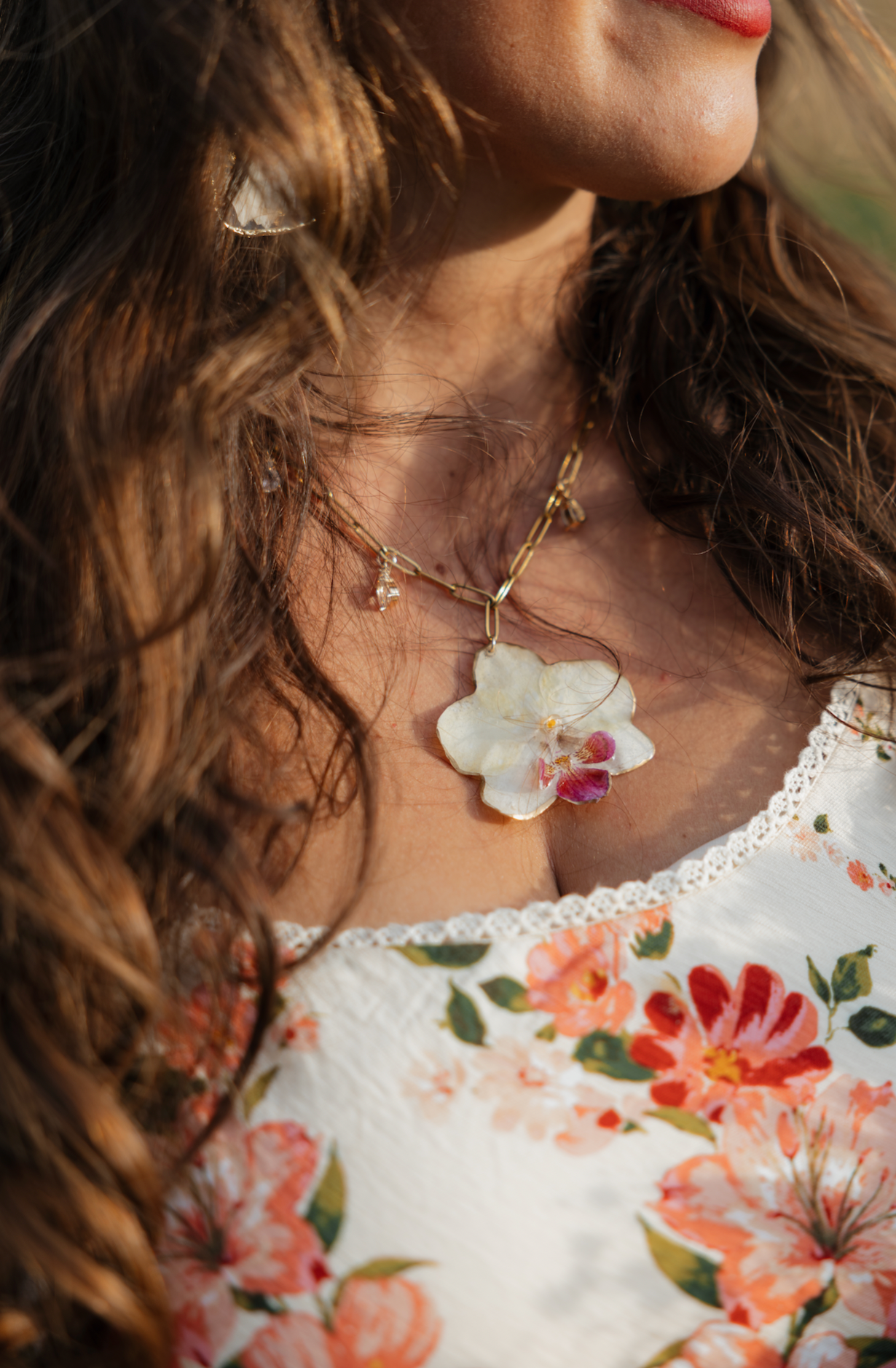
Smooth finishes without rough edges or porous surfaces prevent skin abrasion and bacterial accumulation. Jewelry embedding preserved flowers or natural textures requires expert sealing techniques to ensure resin or setting materials never contact skin directly. Inferior construction allows moisture and contaminants to become trapped against your skin, compounding irritation beyond simple metal reactivity.
Welded connections surpass soldered joints in hypoallergenic properties, as solder often contains lead, cadmium, or other problematic substances. Question artisans about their joining methods, especially for pieces worn continuously like wedding bands or everyday necklaces.
Testing and Transitioning to Hypoallergenic Pieces
Before committing to expensive purchases, conduct patch testing with small items or borrow pieces from trusted sources. Wear test jewelry for several hours, monitoring for warmth, redness, or itching that signals incompatibility. Reactions sometimes manifest hours or days after initial contact, so patience proves essential during evaluation periods.
Transitioning your collection gradually allows budget accommodation while minimizing waste. Prioritize pieces with prolonged skin contact first: earrings, rings worn daily, and necklaces. Statement jewelry worn occasionally for short durations presents lower risk even in non-hypoallergenic materials, though complete conversion provides peace of mind.
Caring for Hypoallergenic Jewelry to Maintain Its Properties
Proper maintenance preserves both beauty and hypoallergenic characteristics. Residue buildup from lotions, perfumes, and environmental pollutants creates barriers that can trap irritants against skin. Clean pieces regularly using mild soap and warm water, avoiding harsh chemicals that might compromise protective oxide layers on metals like titanium or surgical steel.
Store jewelry individually in soft pouches or compartments to prevent scratching and cross-contamination. Separate hypoallergenic pieces from your older collection to avoid accidental nickel transfer. Though seemingly minor, these practices extend the functional lifespan of your carefully selected adornments.
Questions to Ask Before Purchasing
Empower yourself through inquiry when shopping for hypoallergenic jewelry. These questions help reveal material authenticity and craftsmanship quality:
- What specific metal composition comprises this piece, including all components like clasps and posts?
- Does the jewelry contain any nickel, lead, or cadmium?
- Can you provide documentation or testing results confirming hypoallergenic properties?
- How are components joined—through welding, soldering, or other methods?
- What care instructions optimize longevity while maintaining hypoallergenic characteristics?
- Does your studio offer exchanges if skin reactions occur despite hypoallergenic claims?
Why Material Sourcing Matters Beyond Allergies
Choosing ethically sourced, hypoallergenic metals aligns with conscious consumerism values extending beyond personal comfort. Mining practices significantly impact environmental ecosystems and human communities. Supporting artisans who prioritize responsible sourcing amplifies positive change throughout the jewelry industry supply chain.
Small-batch studios often maintain closer relationships with suppliers, ensuring metals meet both ethical and purity standards. This traceability becomes impossible with mass-produced jewelry manufactured through opaque, cost-driven processes. Your purchase decision carries weight, voting for transparency and accountability.
Creating Meaningful Connections Through Hypoallergenic Heirlooms
Jewelry transcends mere decoration, embodying memories, faith expressions, and personal narratives. Hypoallergenic pieces ensure these meaningful symbols remain wearable across decades, creating true heirlooms passed through generations. Natural elements like preserved flowers encapsulated in skin-safe resins merge botanical beauty with material mindfulness, crafting unique testaments to special moments.
Faith-inspired designs gain deeper significance when physical comfort accompanies spiritual symbolism. Wearing a cross, meaningful inscription, or nature-derived texture shouldn't require choosing between belief expression and bodily wellness. Hypoallergenic construction honors both dimensions of your identity.
Where to Find Trustworthy Hypoallergenic Jewelry
Woman-owned studios and small artisan collectives frequently prioritize customer relationships over profit margins, resulting in superior material transparency and customization options. These creators often welcome questions about their processes, metal sources, and construction techniques with enthusiasm rather than evasion.
Local craftspeople offer additional advantages: supporting regional economies, reducing shipping environmental impact, and enabling in-person examination before purchase. Mobile jewelry workshops provide hands-on education, allowing you to understand material properties through direct engagement and experimentation.
| Metal Type | Hypoallergenic Rating | Durability | Best For |
|---|---|---|---|
| Titanium | Excellent | Very High | Daily wear, piercings |
| Surgical Steel | Very Good | High | Everyday pieces, active lifestyles |
| 18K+ Gold | Good to Excellent | Moderate to High | Special occasions, heirlooms |
| Platinum | Excellent | Very High | Wedding bands, investment pieces |
| Niobium | Excellent | High | Colorful designs, sensitive ears |
Embracing Your Journey to Comfortable Adornment
Selecting hypoallergenic jewelry represents self-care and informed decision-making. Your skin's unique chemistry deserves respect through material choices that honor both aesthetic desires and physiological needs. As you curate a collection of non-irritating pieces, you'll discover that limitation breeds creativity, focusing attention on craftsmanship, meaning, and enduring quality rather than fleeting trends.
The intersection of artistry and science creates possibilities for everyone to enjoy beautiful adornments without compromise. Whether you gravitate toward minimalist titanium studs, nature-embedded resin pendants, or platinum heirloom rings, hypoallergenic options now span every style category and price point. Your journey toward comfortable, meaningful jewelry begins with knowledge and continues through intentional selection aligned with your values and body's wisdom.